
Guide
Studying in the UK: the essentials
A plain-language guide for Indian students and parents. Immigration rules change often, so always confirm the latest details on GOV.UK.
Where you could live
Four nations, dozens of student cities
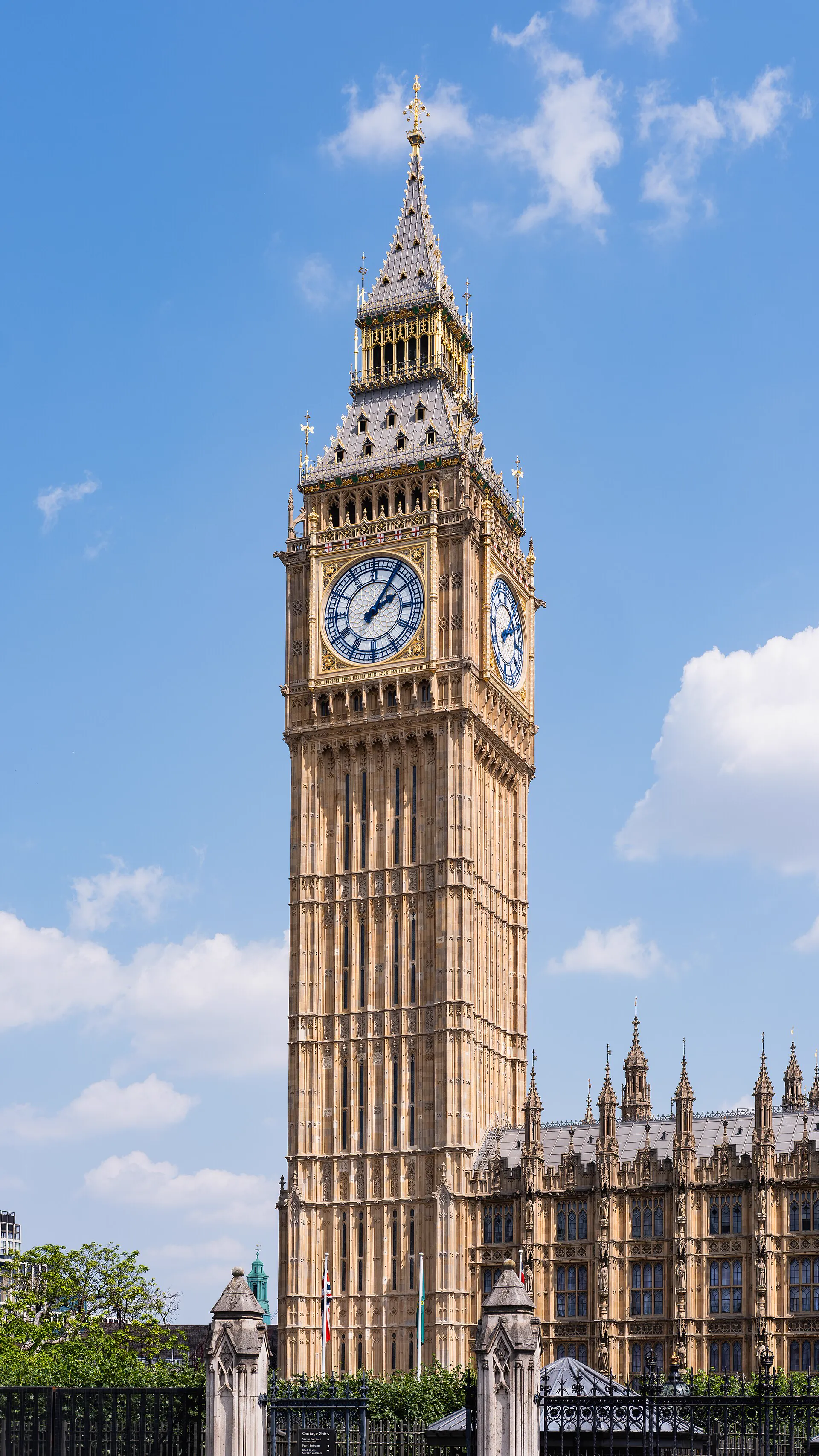
 Elizabeth Tower, LondonEngland
 Eilean Donan CastleScotland
 Conwy CastleWales
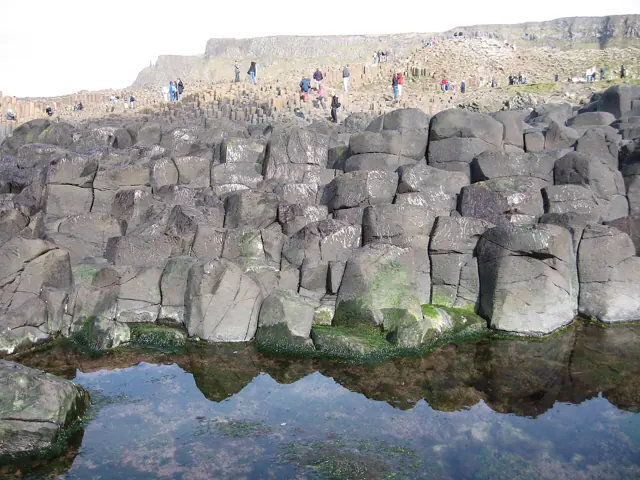 Giant's CausewayNorthern Ireland
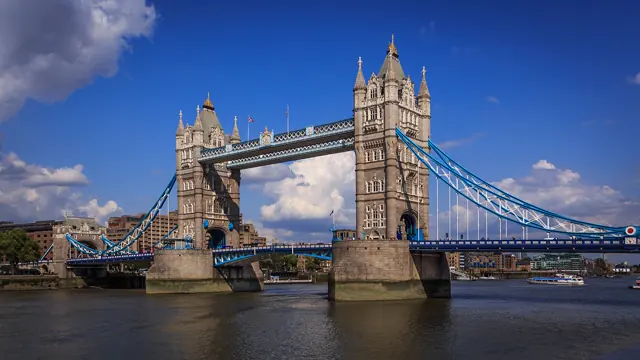 Tower BridgeLondon
 Library of BirminghamBirmingham
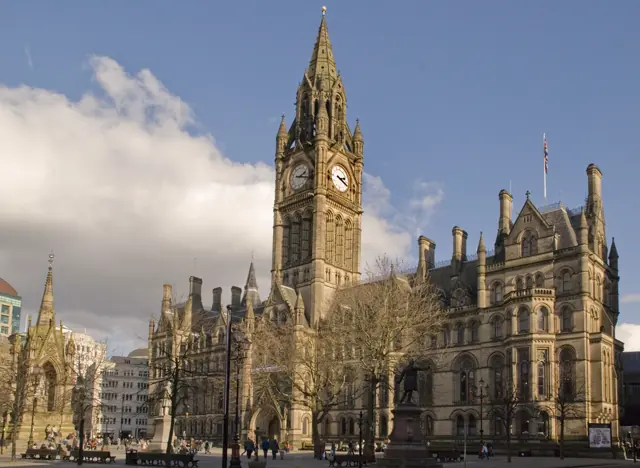 Manchester Town HallManchester
 Edinburgh CastleEdinburgh
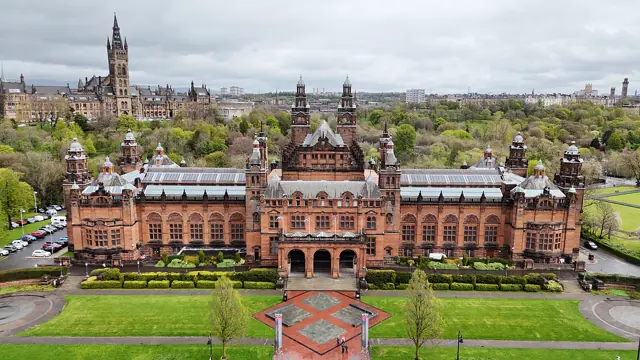 Kelvingrove Art GalleryGlasgow
 Leeds Town HallLeeds
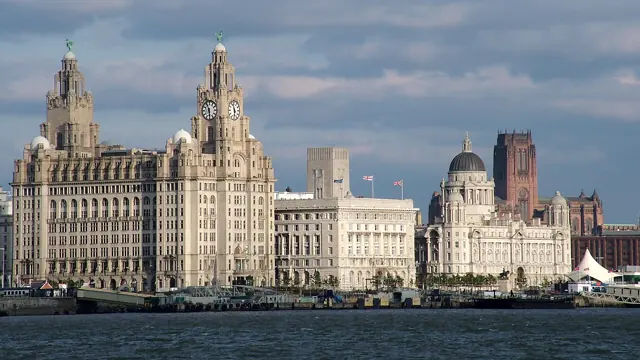 Royal Liver BuildingLiverpool
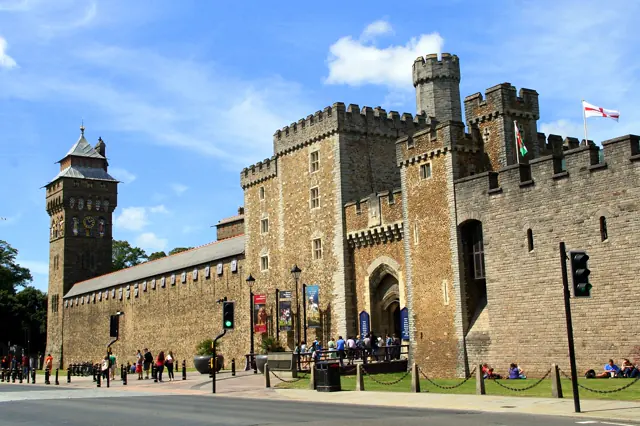 Cardiff CastleCardiff
Why the UK
- Shorter courses. Most Bachelor's degrees take 3 years in England, Wales and Northern Ireland, and 4 years in Scotland. Most taught Master's degrees take 1 year, which keeps total costs down.
- Globally recognised degrees from universities with long academic histories.
- Work after you graduate through the Graduate Route, described below.
- A large Indian community in cities across the UK, and direct flights from major Indian cities.
Intakes
| Intake | Availability | Typical application window |
|---|---|---|
| September or October | Main intake with the widest choice of courses | December to June before the intake |
| January or February | Many postgraduate and some undergraduate courses | August to October before the intake |
| May or June | Limited courses at some universities | January to March |
Typical entry requirements
- Undergraduate: Class 12 from CBSE, ICSE/ISC or a State Board. Requirements vary by university and course, often between 60% and 80% or above.
- Postgraduate (Master's): a 3 or 4 year Bachelor's degree, usually with 55% to 60% or above, and higher for leading universities.
- English: IELTS, PTE, TOEFL or similar. Some universities accept a strong Class 12 English score instead. We will tell you which.
- Supporting documents: Statement of Purpose, recommendation letters and a CV, depending on the course.
Student visa basics
- You need a Confirmation of Acceptance for Studies (CAS) from your university after you accept an unconditional offer.
- You must show you can pay your first year's tuition, minus any deposit already paid, plus a set amount for living costs, which is higher for London. Funds normally need to be held for 28 consecutive days.
- You pay the visa fee and the Immigration Health Surcharge to the UK government on GOV.UK, never to an agent.
- Applicants from India need a tuberculosis (TB) test from an approved clinic.
- Degree-level students can usually work up to 20 hours a week during term and full time in official vacations.
- Most taught-course students can no longer bring dependants. This is generally limited to postgraduate research students.
The Graduate Route
After completing a UK degree, you can apply to stay and work, or look for work, without a job offer. It has been 2 years for Bachelor's and Master's graduates and 3 years for PhD graduates. The UK government has announced this will reduce to 18 months for applications made from 1 January 2027. Check GOV.UK for the current rules.
Payments
Tercel Group UK never charges students. Pay tuition and deposits only to your university, using the payment details on its official website or your offer letter. If anyone gives you different bank details for the university, do not pay. Contact us and the university first.